KatuChef Titanium Steel Cutting Board has sparked a mix of glowing praise and sharp skepticism, making it one of the more talked‑about “next‑gen” cutting boards on the market. Many home cooks love it for hygiene, durability, and aesthetics, while others question the material claims and how it treats knife edges. This article pulls those themes together into a long‑form, review‑style blog you can publish or adapt for your audience.
What Is the KatuChef Titanium Steel Cutting Board?
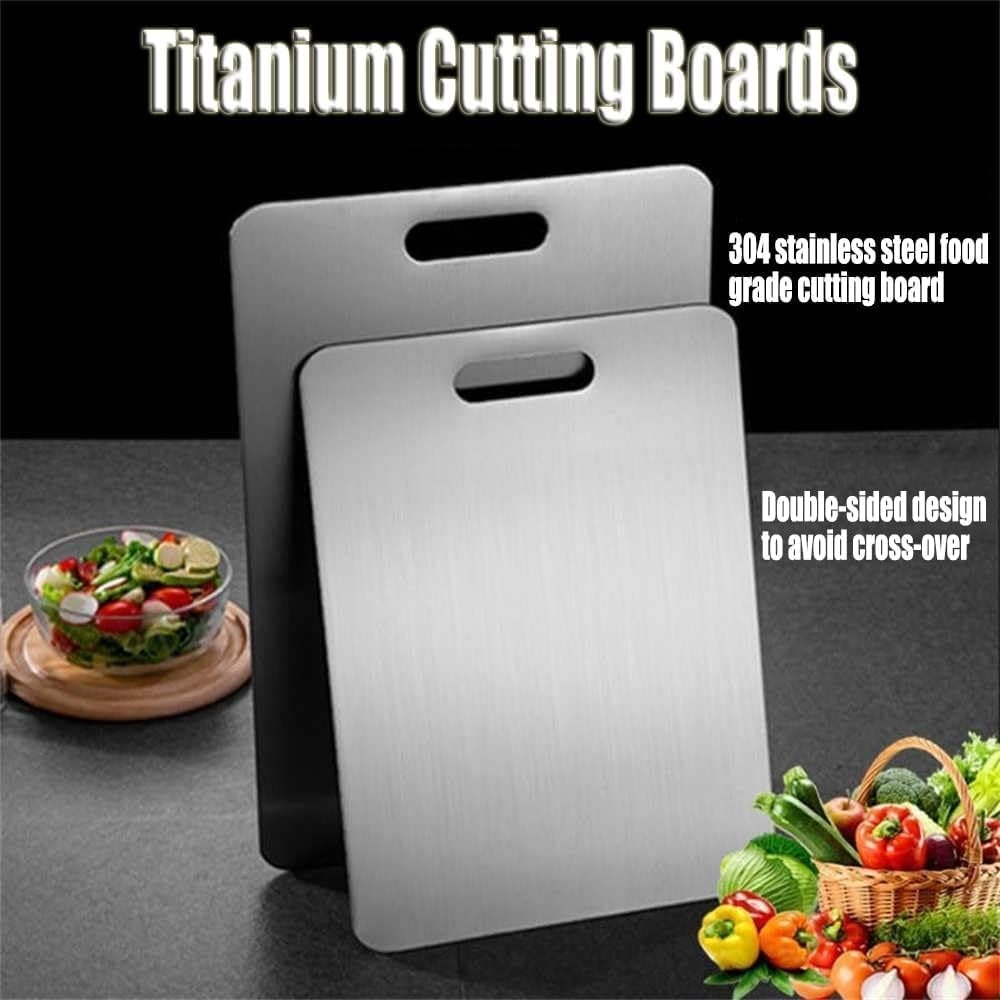
KatuChef Titanium Cutting Board Reviews positions its titanium steel cutting board as a premium upgrade from plastic and wood—marketed as ultra‑hygienic, rust‑resistant, odor‑free, and tough enough to last for years of daily use. It’s typically described as a titanium‑coated stainless steel board: a robust metallic core with a titanium surface treatment that aims to combine the strength and weight of steel with the corrosion resistance and cleanliness associated with titanium. Reviewers frequently mention a sleek, silver, modern look and a relatively slim profile that feels solid without being unmanageably heavy.
The brand’s key promises are straightforward:
- Non‑porous, anti‑bacterial surface that doesn’t absorb juices, odors, or stains.
- Double‑sided design so you can separate raw meat from fruits and vegetables.
- Durable, warp‑resistant metal core that won’t crack like wood or cheap plastic.
- A modern, minimalist look that matches stainless appliances and contemporary kitchens.
In marketing and press coverage, KatuChef is repeatedly framed as the board for cooks who are “done” with smelly wood and scarred plastic and want a long‑term, hygienic surface instead.

What Happy Customers Say: Hygiene, Durability, and Daily Use
A significant portion of customer reviews are very positive, especially around hygiene and ease of cleaning. People who switched from wood or plastic often comment that they hadn’t realized how much odor and staining they were tolerating until they tried the
KatuChef Titanium Steel Cutting Board.
Hygiene and Odor Control
Many reviewers say the board doesn’t hold the smell of garlic, onion, or fish the way their old boards did, even after repeated use. They describe rinsing or washing it with basic dish soap and having it come out completely neutral, with no lingering “kitchen funk”. The non‑porous surface means meat juices and sauces sit on top rather than soaking in, which makes it easier to feel confident about sanitation between tasks.
Several users also highlight that the board feels safer for raw meats: with fewer deep grooves and no fibers for bacteria to hide in, a hot soapy wash or dishwasher cycle leaves them more comfortable using the same board for protein and produce (on different sides).
Durability and Scratch Resistance in Real Kitchens
Long‑term owners often talk about durability. Some reviewers report using the board daily for a year or more with no warping, no discoloration, and very minimal scratching relative to what they saw on plastic. A number of people call it a “kitchen staple” or “best upgrade” because it still looks almost new on the counter after months of chopping vegetables, meat, and fruit.
The double‑sided design is another recurring win: users like dedicating one face to raw meat and fish and the other to vegetables or bread. They see this as a simple way to add a layer of food safety while still only owning one main board.
Everyday Functionality
On a day‑to‑day level, positive reviews note:
- The board feels stable and doesn’t skid much during normal cutting, especially when the counter is dry or a damp cloth/silicone mat is used underneath.
- Clean‑up is fast: a quick rinse or wipe handles most messes, and some models are reported as dishwasher‑safe, which appeals to busy families.
- The slim, metallic design doesn’t dominate small kitchens and can double as a serving surface for charcuterie or cheese boards, which people appreciate aesthetically.
For many home cooks who value ease and hygiene over tradition, these strengths are the reason the board earns “must‑have” type comments.
The Critical Side: Material Questions, Scratching, and Knife Edges
Alongside the praise, there are pointed criticisms you shouldn’t ignore, especially if your audience cares about materials and knife care.
“Is It Really Titanium Steel?” – Material Skepticism
A cluster of highly critical reviews revolves around whether the board is actually what the marketing implies. In at least one detailed case, a reviewer measured the board’s density and concluded it matched stainless steel rather than pure titanium, arguing that the finish and weight were more consistent with steel than titanium and calling the product “NOT as advertised”. That review also notes that cuts appeared to slice through a painted or coated layer, raising concerns about a surface treatment rather than a solid titanium face.
Elsewhere, independent commentary and videos commonly describe it as titanium‑coated stainless steel rather than a block of titanium, which aligns better with the observed density and price point. The issue isn’t that the board doesn’t work; rather, some buyers feel misled by the way “100% titanium” is used in sales copy vs. what arrives on the counter.
Scratches and Surface Wear
Experiences with scratching are mixed. Some reviewers proudly state that their board shows “zero signs of scratching” after months of use and stays smooth and attractive. Others report visible scratches or scuffs after only a few cutting sessions, especially when using harder knives or more aggressive chopping motions.
This discrepancy likely comes down to:
- Differences in knife hardness and edge angle.
- Whether users are slicing and rocking versus chopping straight down.
- How closely they inspect the surface and how much cosmetic wear bothers them.
Most agree that light hairline marks are inevitable on any cutting board; the dispute is over whether the board’s marketing accurately sets expectations that marks will be minimal and purely cosmetic.
Knife‑Friendliness and Edge Retention
The biggest philosophical pushback comes from knife enthusiasts. In kitchen forums, several experienced cooks argue that any metal cutting surface—even titanium‑coated steel—is harder on knife edges than good end‑grain wood and that “no serious chef” would put their best knives on metal despite how antibacterial it might be. They point out that repeated impact on metal can roll or dull edges faster than softer surfaces.
On the other hand, many regular users (not knife hobbyists) report that their everyday stainless chef’s knives seem to stay sharp long enough and that the board feels noticeably kinder to the blade than glass, stone, or cheap plastic. For them, the trade‑off is acceptable: they gain hygiene and durability, and they simply sharpen their knives periodically as normal.
The takeaway: if someone owns very high‑end, thin‑edged blades and obsesses over edge retention, they’ll likely prefer wood. If they rely on decent but standard knives and prioritize hygiene and low maintenance, KatuChef can still be an attractive option.
What Professional and Media Coverage Highlights
Media write‑ups and product features tend to emphasize the safety and hygiene story even more strongly than individual reviews. Articles describe theKatuChef Titanium Steel Cutting Board Reviewsas a step‑change in kitchen sanitation: non‑porous, corrosion‑resistant, and highly resistant to bacterial growth, making it particularly appealing in households worried about foodborne illnesses. They frame it as a way to reduce risk when prepping raw meats and fish, as the board doesn’t absorb liquids, develop cracks, or trap microbes the way wood and plastic can.
Coverage also focuses on:
- A robust metallic core and slip‑resistant edges designed to reduce sliding during chopping.
- Dishwasher‑safe and heat‑resistant construction, which simplifies cleanup and allows occasional high‑temperature sanitizing.
- Long‑term durability, with reports of users running the board for 18–24 months without noticeable structural degradation.
In these write‑ups, the board is pitched as not just a gadget but a “serious tool for food preparation” and a logical upgrade for families and health‑conscious cooks.
Pros and Cons at a Glance
Here’s how the main themes from reviews and coverage shake out.
Main Advantages
- Excellent hygiene profile: Non‑porous, stain‑resistant surface that doesn’t soak in juices or odors, helping reduce bacterial risk when properly washed.
- Easy to clean: Rinses clean quickly, often described as “wipes off in seconds,” and certain models are reported as dishwasher‑safe.
- Durable and warp‑resistant: Unlike wood and cheap plastic, it doesn’t crack, cup, or warp with normal use; owners report long‑term structural stability.
- Dual‑sided design: Many users love having one side for raw meat and the other for produce, making food‑safe workflows easier with a single board.
- Modern aesthetics: Sleek metallic finish that matches stainless appliances and works as both a prep surface and a minimalist serving platter.
Main Drawbacks and Cautions
- Material controversy: Some reviewers claim the board is more stainless steel with a titanium coating than solid titanium, and feel that marketing language can be misleading.
- Potential for visible scratching: While some boards stay clean‑looking, others show scratches sooner than buyers expected, especially under heavy use.
- Knife‑edge wear vs. wood: Metal will generally be tougher on edges than soft wood, so those with very high‑end knives may prefer a traditional board for their best blades.
- Higher price point: It costs more than typical plastic and many wood boards, so you’re paying a premium for the hygiene, durability, and aesthetic package.
Who the KatuChef Titanium Steel Cutting Board Is Best For
When you look across reviews, a clear “ideal user” profile emerges:
- Health‑focused home cooks who care deeply about cleanliness, hate smelly boards, and want something that feels safe for raw chicken, fish, and frequent prep.
- Busy families and meal‑preppers who need a board that can be used heavily every week, washed quickly, and not replaced every year.
- People with modern kitchens who want their tools to look as refined as their appliances and are willing to invest in that aesthetic.
- Everyday knife users with standard stainless blades who don’t mind sharpening periodically and prefer metal over high‑maintenance wood.
It’s less ideal for:
- Knife collectors and professionals who want the softest possible surface for ultra‑thin edges.
- Buyers who expect a flawless, scratch‑proof look forever.
- Shoppers who are very sensitive to any perceived mismatch between marketing language (“100% titanium”) and actual construction.
Practical Advice Before You Buy
If you’re considering the KatuChef Titanium Steel Cutting Board Canada based on these reviews, a few practical steps can help you make a confident choice:
- Read the current product description carefully to see exactly how the material is described (pure titanium vs. titanium‑coated stainless) and match that against your expectations.
- Scan multiple review sources—store reviews, independent blogs, and video reviews—to see both glowing testimonials and critical experiences side by side.
- Think about your knives: if they’re mid‑range stainless workhorses, this board is likely fine; if you have expensive, ultra‑hard blades, you may want a wood board for those and use KatuChef for everything else.
- Check return and warranty policies, so if the feel, sound, or scratching pattern doesn’t fit your style, you have an easy exit.
KatuChef Titanium Steel Cutting Board Price paint a nuanced picture: it’s widely loved for hygiene, durability, and aesthetics, and it clearly improves the experience of cooks frustrated with warped, smelly, or stained boards. At the same time, the debate over its exact material makeup and its long‑term relationship with fine knife edges means it’s not a one‑size‑fits‑all solution. For most home cooks who prioritize cleanliness and low maintenance and use standard knives, it can be an impressive upgrade; for knife purists and material sticklers, it’s a product to approach with eyes open and expectations calibrated.